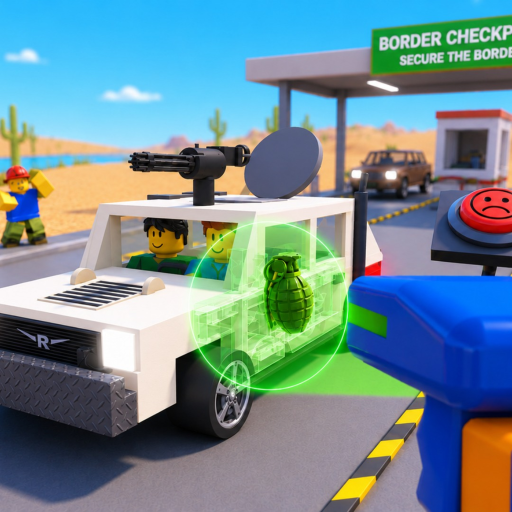
Decision map
What each check answers
- X-ray/search
- Look for a hidden signal before opening surfaces.
- Trunk + engine
- Treat both as separate places where illegal items may appear.
- Documents
- Compare the driver details the game exposes.
Use a four-stage decision tree for the exact actions named by the game: arrival, X-ray/search, trunk and engine, then driver documents.
Wait for the vehicle to reach the inspection lane and keep the whole vehicle visible before selecting a response.
Use the X-ray or search control when it is available. Treat it as a separate action from opening the trunk or engine.
Inspect both surfaces in turn. The game description names both, so a single visual pass is not a complete checklist.
Review the driver's documents and compare the visible details before deciding whether the vehicle should move on.
Illegal items, bribes, smugglers, and raiders are separate threat signals. Do not force them into a normal inspection result.
Use the checklist to record arrival, X-ray/search, trunk, engine, documents, and threat signals in a browser-local progress view.
No. X-ray/search, trunk, engine, and driver-document checks are separate actions in the documented loop.
Keep both observations, pause the vehicle, and use the threat route if the game shows an illegal item or suspicious signal.
Do not assume familiarity is a pass. Read the documents the game presents before moving on.
Use the browser-local inspection checklist; it records reviewed actions without producing an invented outcome.
See the named vehicle terms and unknown roster details.
Learn the first-session order.
Decide what to improve after the loop is clear.